Environment — OBN

Sustainable Agriculture

Farming That Gives
Back to the Earth

Healthy soil means healthier food and a healthier planet. We explore the practices reshaping agriculture for the long term.

Regenerative Agriculture

Article 01

What Is Regenerative Agriculture?

Regenerative agriculture focuses on improving soil health, biodiversity, and long-term sustainability. Practices include minimal soil disturbance, cover cropping, and integrating diverse plant systems. According to the FAO, healthy soil stores more carbon and retains water better, reducing environmental impact.

"Unlike conventional farming, regenerative systems aim to restore ecosystems rather than deplete them."

Over time, this can improve crop resilience and reduce reliance on synthetic inputs. Supporting regenerative agriculture helps create a more sustainable food system while maintaining productivity.

Crop Rotation

Article 02

Why Crop Rotation Matters

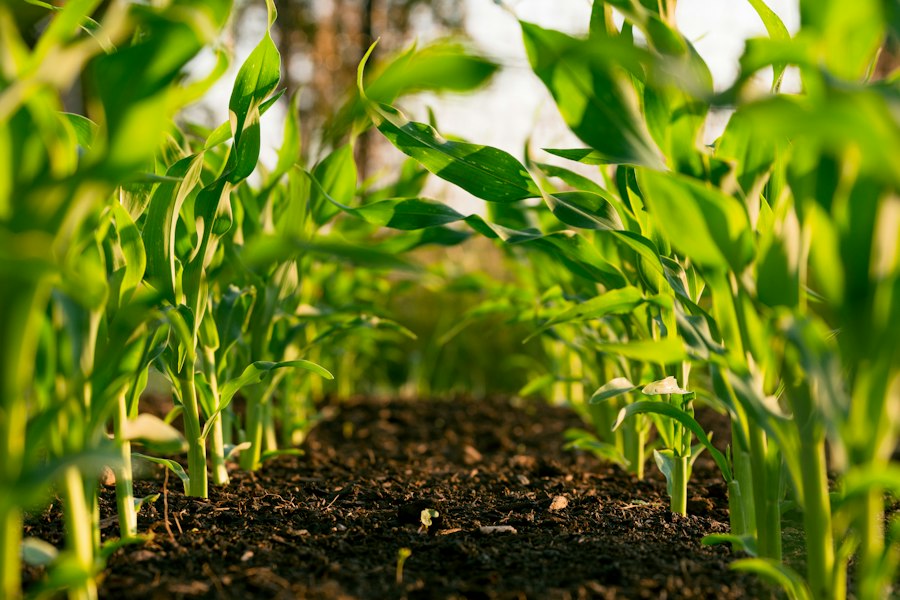
Crop rotation is a simple but powerful farming method. By rotating crops like legumes, grains, and oilseeds, farmers improve soil fertility and reduce pests naturally. Legumes, for example, fix nitrogen in the soil, reducing the need for synthetic fertilizers.

Studies show crop rotation increases yields over time and improves soil structure. It also lowers disease risk and enhances biodiversity. This practice has been used for centuries and remains one of the most effective tools for sustainable agriculture. Healthier soil leads to healthier food systems.

Bioavailable Nutrition

Article 03

Bioavailable Nutrition, Why It Matters

Bioavailability refers to how well your body absorbs nutrients from food. Whole foods often provide nutrients in forms that are easier for the body to use. For example, soaking or sprouting legumes can improve mineral absorption by reducing compounds like phytic acid.

"Research shows that food structure, not just nutrient content, affects how nutrients are absorbed."

Minimally processed foods tend to retain more bioavailable nutrients compared to ultra-processed alternatives. Choosing whole, natural foods improves how effectively your body uses what you eat.

Soil Health

Article 04

Soil Health and Nutrient Density

Soil quality directly affects the nutritional value of food. Healthy soil contains diverse microorganisms that help plants absorb vital minerals like zinc, iron and other micronutrients. Degraded soil, often caused by intensive farming, reduces nutrient availability.

Research suggests crops grown in healthier soils may contain higher levels of certain micronutrients. Practices like composting, reduced tillage, and crop diversity improve soil ecosystems. Supporting soil health is not just environmental, it directly impacts food quality and human nutrition.

Reducing Chemicals

Article 05

Reducing Chemical Inputs in Agriculture

Modern agriculture often relies on synthetic fertilizers and pesticides. While effective for yield, overuse can harm ecosystems, water systems, and biodiversity. Sustainable practices aim to reduce dependency on these inputs through natural alternatives like crop rotation, biological pest control, and organic fertilizers.

"According to the FAO, reducing chemical inputs improves long-term soil health and resilience."

The goal is not eliminating productivity, but balancing it with environmental sustainability.

Sources & References

  • Food and Agriculture Organization — Soil health, sustainable agriculture
  • USDA — Crop rotation benefits
  • Rodale Institute — Regenerative agriculture studies
  • National Institutes of Health — Bioavailability research