Products — OBN

Education-First

Know What
You're Choosing

Transparency, nutrient density, and clean labels. We break down what matters, so you can make choices you feel good about.

Organic farm

Article 01

Why Organic Matters

Organic products are produced without synthetic pesticides and fertilizers. According to multiple studies, organic farming reduces chemical exposure and supports biodiversity. While nutritional differences can vary, organic systems are consistently associated with environmental benefits.

"Choosing organic also supports farming practices that prioritize soil health and ecological balance."

For consumers, it's less about perfection and more about reducing exposure and supporting sustainable systems.

Whole vs Processed

Article 02

Whole vs Processed Foods

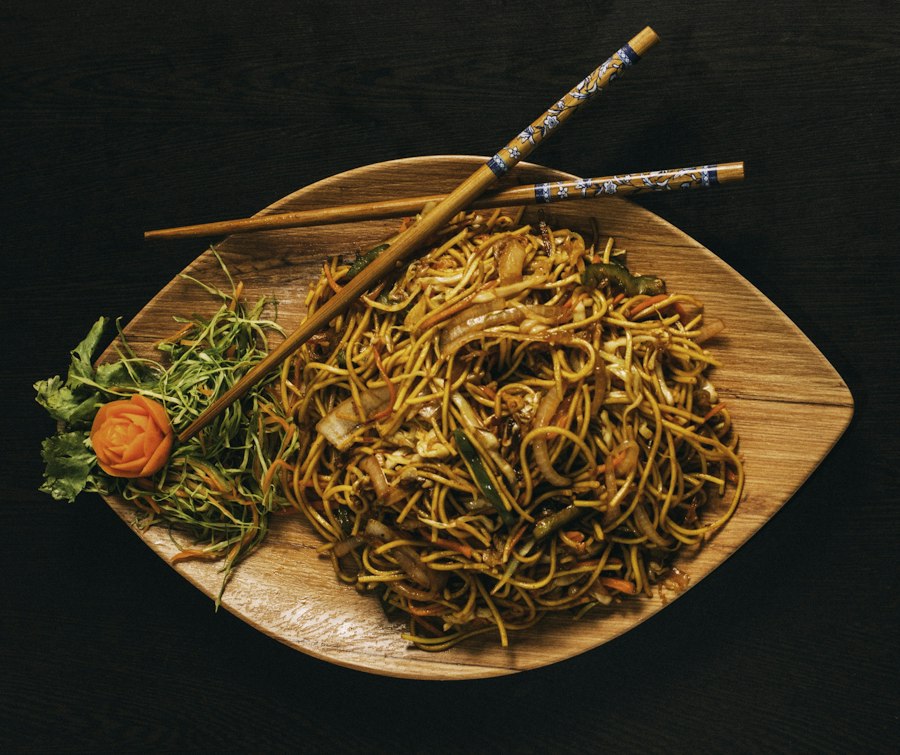
Whole foods are minimally altered from their natural state. Processed foods often contain added sugars, preservatives, and refined ingredients. Research consistently shows diets high in ultra-processed foods are linked to obesity, heart disease, and metabolic disorders.

Whole foods provide fiber, vitamins, and nutrients in their natural form, improving overall health outcomes. The simplest rule: the closer a food is to its original form, the better it is for long-term health.

Plant proteins

Article 03

Plant-Based Protein Benefits

Plant-based proteins — like lentils, beans, and quinoa — offer a sustainable alternative to animal protein. They are high in fiber, lower in saturated fat, and associated with reduced risk of chronic disease.

"Research shows plant-based diets can support heart health and longevity. They also require fewer environmental resources to produce."

Including more plant protein doesn't require eliminating animal products — it simply improves dietary balance and sustainability.

Ingredient label

Article 04

The Importance of Ingredient Transparency

Understanding what's in your food is essential. Transparent labeling allows consumers to identify additives, preservatives, and sources of ingredients. Research shows that diets high in additives and ultra-processed ingredients are linked to poorer health outcomes.

Clear ingredient lists that are short, recognizable, and whole-food based support better decision-making. Transparency builds trust and aligns with growing consumer demand for clean-label products.

Nutrient density

Article 05

Nutrient Density vs Calorie Density

Not all calories provide the same nutritional value. Nutrient-dense foods deliver vitamins, minerals, fiber, and protein relative to their calorie content. Examples include legumes, whole grains, nuts, and seeds.

"Calorie-dense but nutrient-poor foods (often highly processed) provide energy without essential nutrients. Research consistently supports prioritizing nutrient-dense foods for long-term health."

The goal is not fewer calories, but better-quality calories.

Sources & References

  • USDA — Organic standards
  • European Commission — Organic farming benefits
  • National Institutes of Health, Ultra-processed food health risks
  • Hall et al., 2019 (Cell Metabolism) — ultra-processed foods increase calorie intake