Packaging — OBN

Sustainability

Less Waste,
More Intention

Packaging shouldn't outlive its contents. We explore smarter, cleaner ways to wrap the things we love, for a lighter footprint.

Sustainable packaging

Article 01

Why Sustainable Packaging Matters

Packaging waste is a major environmental issue. Globally, plastic packaging accounts for a large portion of landfill and ocean pollution. Sustainable packaging focuses on reducing waste, using recyclable or biodegradable materials, and minimizing excess.

"Studies show that reducing packaging volume has a direct impact on carbon emissions. Simple packaging design, using fewer materials, can significantly lower environmental impact while maintaining product quality."
Bulk shopping

Article 02

Bulk vs Single-Use Packaging

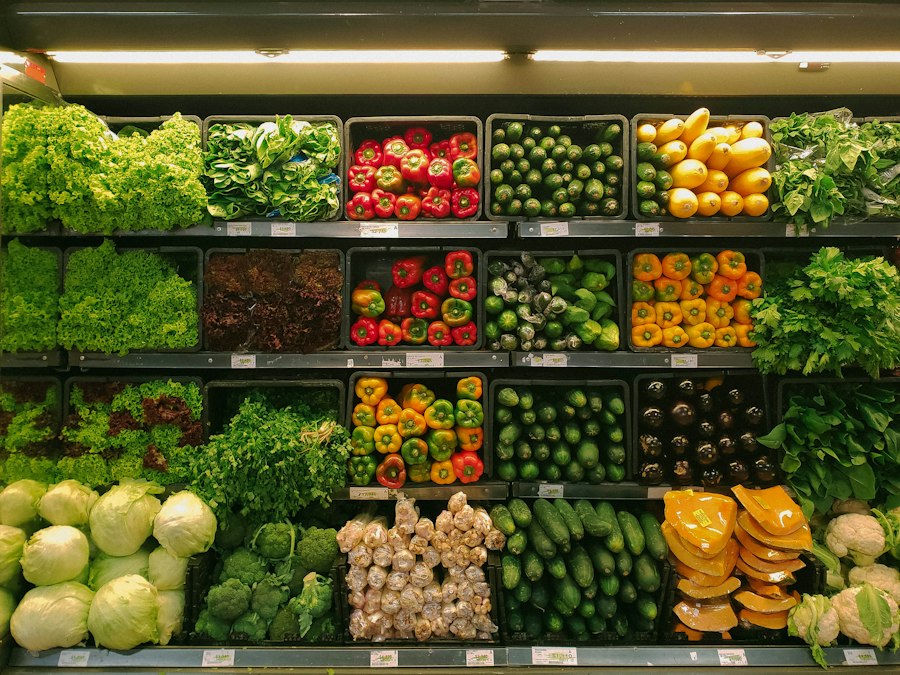
Buying in bulk reduces packaging waste per unit of food. It also lowers transportation emissions because fewer materials are used overall. Research shows bulk systems can significantly reduce plastic use compared to single-serve packaging.

While convenience drives single-use products, the environmental cost is higher. Bulk purchasing supports both cost efficiency and sustainability, especially for dry goods like grains, legumes, and nuts.

Compostable vs biodegradable

Article 03

Biodegradable vs Compostable

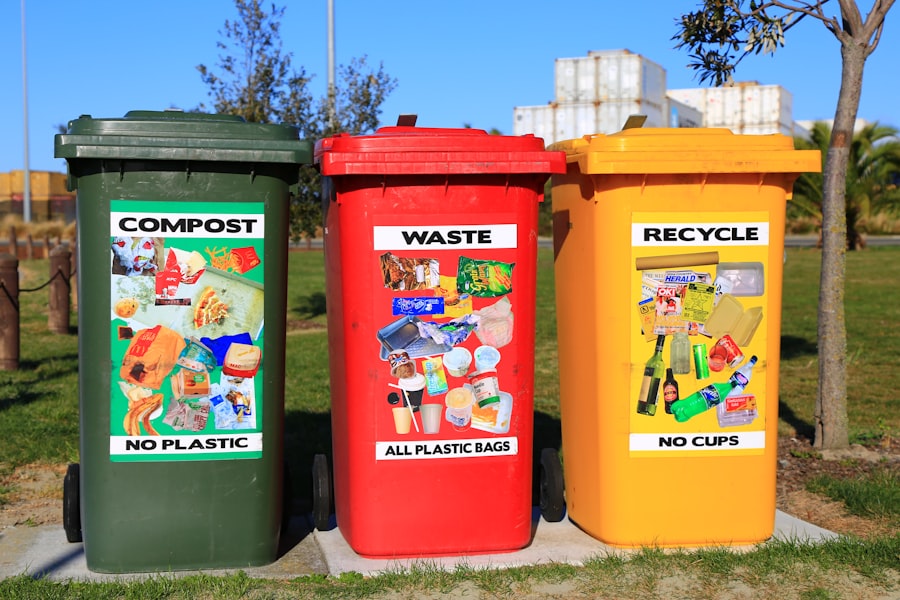
Not all "eco-friendly" packaging is the same. Biodegradable materials break down over time, but not always safely. Compostable materials require specific conditions to fully decompose without leaving harmful residues.

"According to environmental agencies, certified compostable packaging is more reliable for reducing long-term waste. Clear labeling and proper disposal are critical."

Choosing the right materials and educating consumers are key to making packaging truly sustainable.

Carbon footprint packaging

Article 04

The Impact of Food Packaging on Carbon Footprint

Packaging contributes significantly to a product's environmental footprint. Materials like plastic and aluminum require energy-intensive production and often end up in landfills. Reducing packaging weight and using recyclable or compostable materials can lower emissions.

Studies show that lightweight, minimal packaging reduces transportation and production impacts. Sustainable packaging decisions directly affect overall environmental performance.

Consumer recycling

Article 05

Consumer Behavior and Waste Reduction

Sustainability is not only about production, but also about consumer behavior. Proper recycling, composting, and reducing food waste all contribute to environmental impact. Research shows that confusion around labeling (recyclable vs compostable) reduces effectiveness.

"Clear labeling and education improve outcomes. Small actions like choosing bulk products or reusing containers can significantly reduce waste over time."

Sustainable systems require both responsible production and informed consumption.

Sources & References

  • United Nations Environment Programme; Plastic pollution data
  • OECD — Global plastic waste reports
  • Environmental Protection Agency, Compostable vs biodegradable definitions